
How to Protect Furniture When Moving: Practical Tips
Furniture is usually the bulkiest and most expensive part of a move, and it’s where most damage happens. A scratched tabletop, a chipped corner or a cracked mirror is rarely caused by the drive itself. It tends to happen in doorways, on stairs and during loading.
The good news is that most of it can be avoided with some preparation before moving day. Here’s how to protect furniture when moving, and which jobs are best left to the crew.
Start with a quick furniture plan
Walk through the house and note every piece of furniture you’re taking. Mark anything that’s heavy, fragile, oversized or valuable to you. This list is useful twice: once when you’re preparing, and again when you request a quote, because it tells the removalist exactly what they need to plan for.
It’s also a good moment to decide what isn’t coming. Selling or donating furniture you no longer need means less to protect and less to move.
Measure doorways, hallways and stairs
Before moving day, measure your largest items and compare them with the doorways, hallways, stairwells and lifts at both properties. A lounge that fits through the front door of your current home may not make the turn into a narrower hallway at the new one.
If something looks tight, let your removalist know in advance. The crew can plan whether it needs to be dismantled, turned a certain way or taken through a different entry.
Dismantle what you can
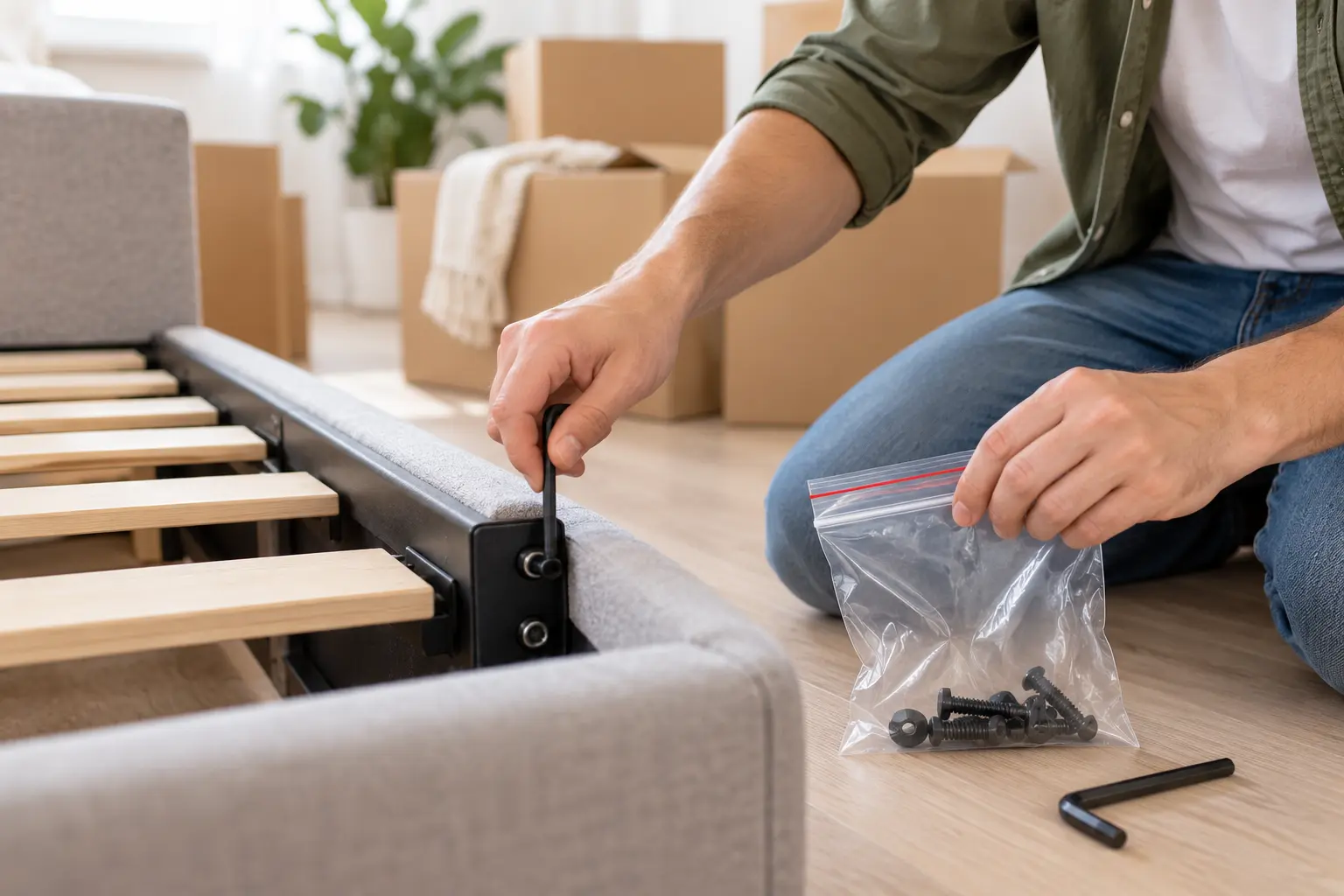
Taking furniture apart makes it lighter, easier to carry and less likely to be damaged. Common candidates include:
- bed frames and bed heads;
- dining tables with removable legs;
- desks, bookshelves and flat-pack furniture;
- glass shelves and tops that lift off.
Put screws, bolts and small fittings in a zip-lock bag, label it and tape it securely to the piece it belongs to. It saves a lot of searching when you reassemble at the new place.
Empty and secure drawers and doors
Drawers full of clothes or books add weight and can slide open while furniture is being carried. Empty them first. Secure doors and drawers so they stay closed, using stretch wrap or painter’s tape rather than strong tape that can mark the finish.
Wrap surfaces the right way
Different materials need different protection.
Timber and polished surfaces
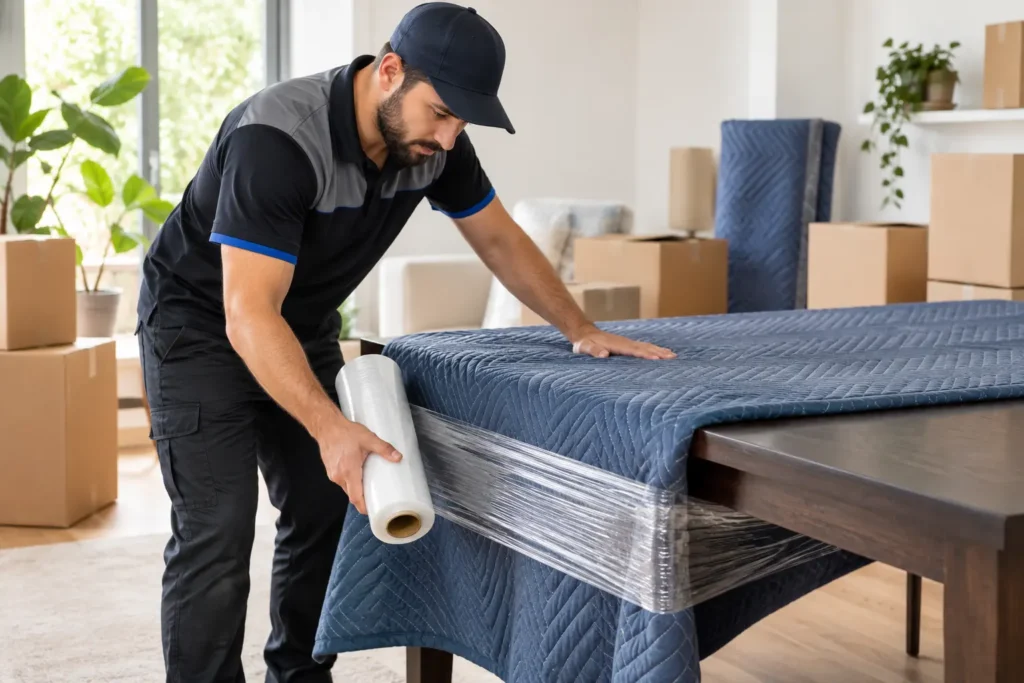
Wrap these in thick moving blankets first. Avoid putting plastic wrap directly on timber for long periods, especially in warm, humid weather, as it can trap moisture against the finish. If you use plastic, put it over the blanket, not under it.
Glass, mirrors and marble
Cover glass with cardboard or a blanket on both sides and mark it clearly as fragile. Mirrors and framed artwork travel best standing upright, never flat with weight on top. Marble and stone tops are heavier than they look and can crack if they’re carried flat without support, so flag them with your removalist.
Lounges, upholstered chairs and mattresses
Fabric picks up dust and marks quickly during a move. Cover upholstered items and mattresses with a mattress bag, sheet or blanket to keep them clean, particularly if it rains on the day.
What to leave to the removalists
Some steps are easy to do yourself. Others are better handled by a trained crew with the right equipment. A professional team brings furniture blankets and trolleys, knows how to carry heavy pieces through tight spaces, and loads the truck so items are secured and don’t move during transport.
Loading is often overlooked. Heavy items need to go in first and in the right position, with lighter or fragile items protected around them. It’s one of the main reasons furniture arrives in good condition.
Tell your removalist about special items
If you have antiques, a piano, a glass cabinet, a large TV or anything else that needs extra care, mention it when you request your quote. That lets the crew plan the right approach and bring what’s needed, instead of working it out on the day.
Access matters here too. On the Sunshine Coast, properties range from apartments with lifts to homes with steeper driveways and longer carries, and each affects how heavy furniture is moved safely.
A little preparation goes a long way
Measure your large pieces, dismantle what you can, empty drawers and make a note of anything fragile. Then let the crew handle the heavy lifting, wrapping and loading. That combination is usually what gets your furniture to the new home in the same condition it left.
Moving furniture that needs careful handling? Tell us what you’re moving and what the access is like, and we’ll give you a clear quote. Get Your Free Quote