
How to Prepare Your Home Before the Removalists Arrive
The day or two before a move often decides how moving day itself runs. When the crew arrives to clear pathways, finished boxes and a plan for parking, they can get straight to work. When they arrive to half-packed rooms and a blocked driveway, time goes into sorting things out instead of moving them.
A little preparation makes a real difference. Here’s what to organise before the removalists knock on the door.
Confirm the details a few days out
Start with a quick check of the booking: the date, the expected arrival time, and the pickup and drop-off addresses. Then think about what has changed since you first requested your quote.
Have you decided to take the outdoor setting after all? Is there a second fridge in the garage? Will you be moving into a different unit in the same complex? Small changes like these affect how the move is planned, so it’s worth passing them on early rather than mentioning them when the truck is already loaded.
If you’re still comparing options, our guide to the questions to ask a removalist before you book covers what to confirm before you commit.
Sort out parking and access at both properties
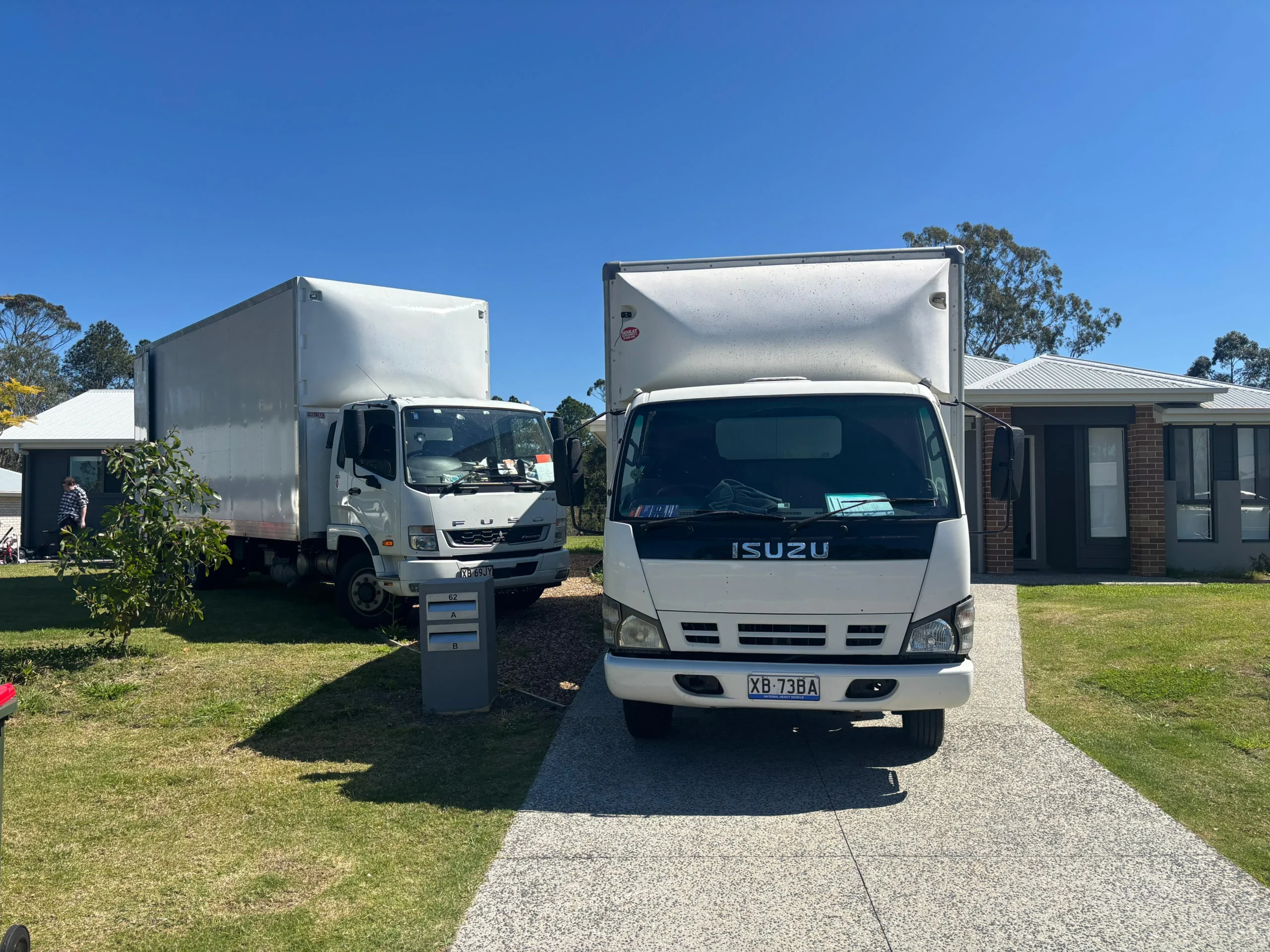
The truck needs to park as close to the entrance as possible. The shorter the carry, the more efficiently the crew can work, so access is one of the most useful things to plan ahead.
If you’re moving from a house
Move your own car out of the driveway the night before. If the street is narrow or usually full of parked cars, let your neighbours know a truck is coming. It’s also worth checking for low branches, tight gateways or anything that might stop the truck getting close.
If you’re moving from an apartment or unit
Check whether the building needs a lift booking, has a loading bay or limits moving times. Building management can usually tell you what’s required. Our apartment moving tips for lifts, loading and parking go into more detail.
At the new property
Run through the same checks at the other end. Confirm when you’ll have the keys, so the crew isn’t waiting outside a locked door, and find out where the truck can park.
Finish the packing you plan to do yourself
Anything you’re packing yourself should be boxed, taped and labelled before the crew arrives. Half-packed rooms slow everything down, because loose items can’t be loaded safely.
A few habits help:
- Label each box with the room it’s going to and a short note on what’s inside.
- Keep heavy items like books in smaller boxes so they stay manageable.
- Fill gaps in boxes so contents don’t shift, but don’t overfill them to the point the lid bulges.
- Mark boxes with fragile items clearly on more than one side.
For a room-by-room approach, see our guide on how to pack for a move
Get your furniture ready
Empty drawers of anything heavy, loose or fragile. Remove glass shelves and tabletops where you can and wrap them separately. Take down mirrors and artwork and stand them somewhere safe.
If a bed, desk or table needs to be taken apart, let your removalist know when you book so it’s included in the plan. Keep screws and small fittings in a labelled zip-lock bag and tape it to the item it belongs to.
It also helps to measure larger pieces against the doorways, stairs and lift at the new home. Finding out a lounge won’t fit through the door is much easier to solve a week before the move than on the day.
Set aside what isn’t going on the truck
Before the crew arrives, separate anything that’s travelling with you or staying behind. This avoids the common mix-up of a box of keys, documents or medication ending up at the back of the truck.
Pack an essentials bag with things like:
- keys, wallets, phones and chargers;
- important documents;
- medication;
- a change of clothes and basic toiletries;
- snacks, water and the kettle.
Put these, along with anything that isn’t moving, in one room or a clearly marked spot and tell the crew. Items such as gas bottles, fuel, paint and chemicals are generally not suitable to load with household belongings, so check with your removalist and make separate arrangements for them.
Clear the pathways
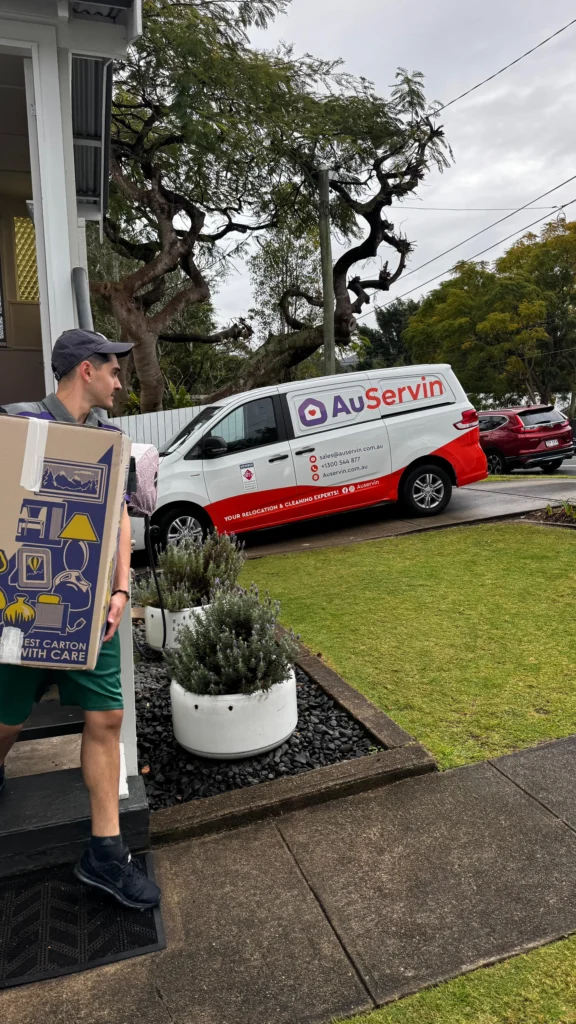
Walk the route from each room to the front door and clear anything in the way: shoes, rugs that slide, pot plants on the stairs, laundry baskets in the hallway. Prop open doors that need to stay open, and make sure outdoor paths and steps are clear too.
If you have pets or young children, plan where they’ll be during the move. Open doors and people carrying heavy furniture don’t mix well with curious dogs or toddlers.
When the crew arrives
Take a few minutes to walk the crew leader through the home. Point out what’s going, what’s staying, which items are fragile or valuable, and anything that needs special care. That short walk-through often saves time later in the day.
Stay reachable while the truck is being loaded, and do a final check of cupboards, the garage, the laundry and under the house before the truck leaves.
At AuServin, our crews arrive with furniture blankets, trolleys and the right equipment for the job, and we plan each move around the access details you share with us. The more we know before moving day, the easier the day is to manage.
Ready for moving day?
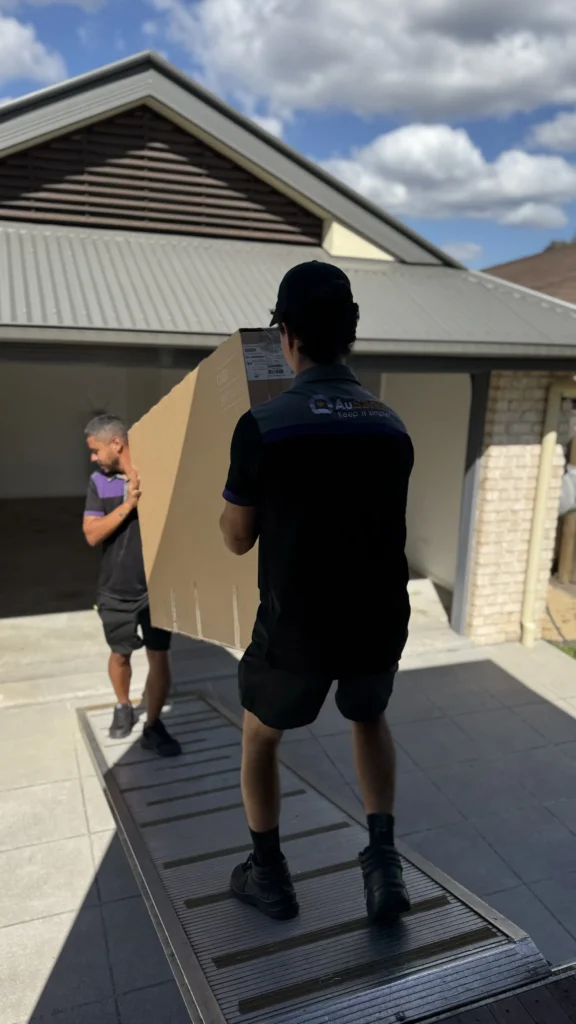
When the boxes are finished, the access is sorted and the crew knows what to expect, moving day tends to run the way it should. If you’d like a professional team to handle the heavy lifting, tell us where you’re moving from, where you’re going and your preferred date. Get Your Free Quote