
How to Prepare Your Appliances for Moving Day
Large appliances are some of the heaviest and most awkward items in any move. They also need a bit of preparation that other furniture doesn’t: defrosting, draining, disconnecting and drying.
Leaving these jobs until moving morning can mean water on the floor, a fridge that isn’t ready to load and a delay while everyone waits. Here’s how to prepare appliances for moving so they’re ready when the crew arrives.
Start with a list a week or so out
Write down every appliance that’s coming with you, including anything in the garage or laundry. Next to each one, note what it needs before the move and whether a tradesperson needs to disconnect it.
Find the manuals too, or look them up online. Manufacturers often have specific advice on transporting their appliances, and it’s worth following.
Fridges and freezers
Fridges take the longest to prepare, so start early.
- Run down the food. Plan meals in the week before the move so there’s as little as possible left to pack.
- Defrost the freezer. Switch it off at least a day before the move, or as recommended in the manual, and place towels underneath to catch water.
- Clean and dry it thoroughly. Any moisture left inside can cause odours or mould during the move.
- Secure loose parts. Remove or secure shelves, drawers and trays. Close the doors with straps or ties rather than sticking tape directly onto the finish.
Fridges connected to a water line for ice or filtered water need to be disconnected and the line capped, which may need a plumber.
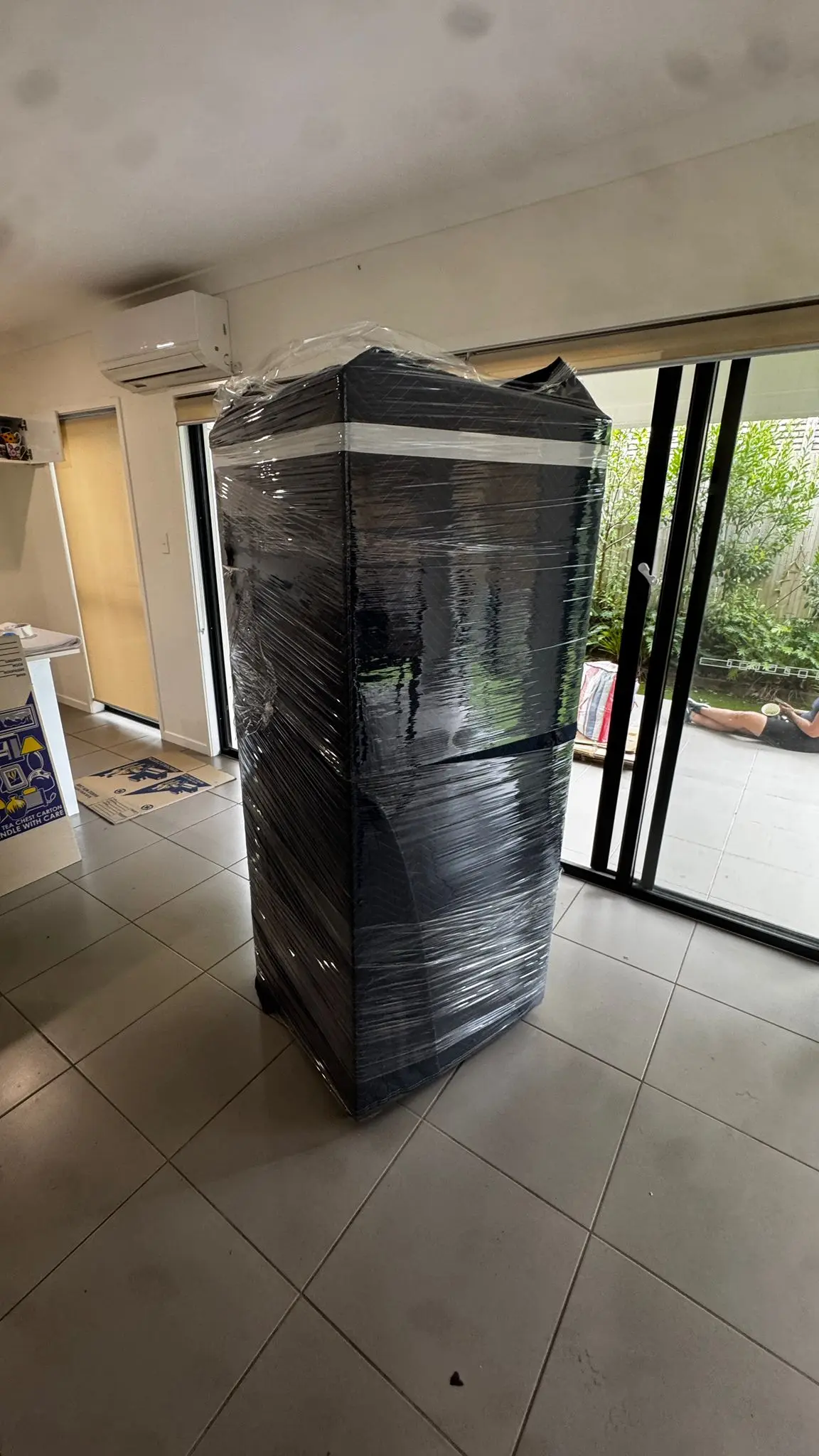
Washing machines and dryers
Disconnect the washing machine a day or two before the move and drain as much water as you can from the hoses and drum. Dry the hoses and pack them in a bag with any fittings.
Many front-loading machines come with transit bolts that hold the drum steady during transport. If you still have them, check the manual and refit them before moving. If you don’t, mention it to your removalist.
For dryers, clean the lint filter and make sure the unit is completely dry. Stacked washer and dryer units usually need to be separated before they’re moved.
Dishwashers
Run the dishwasher empty a few days before the move so it has time to dry out. Once it’s disconnected, drain the hoses, secure the racks and keep any loose parts in a labelled bag. Plumbed-in dishwashers may need a plumber to disconnect them.
Ovens, cooktops and gas appliances
Gas appliances should be disconnected and reconnected by a licensed gas fitter. Appliances that are hardwired into the electrical system need a licensed electrician. Book these trades early, because they can be busy, and make sure the disconnection happens before moving day.
For freestanding ovens, clean them out, remove the racks and trays and wrap them separately.
Small appliances and electronics
If you’ve kept the original boxes for TVs, microwaves or coffee machines, use them. They’re designed to protect the item during transport.
- Empty water tanks and drip trays on coffee machines and kettles.
- Take a photo of the cables behind your TV and entertainment unit before unplugging anything.
- Keep remotes, power cords and small parts together in a labelled bag.
Our guide on how to pack for a move covers packing smaller kitchen items room by room.
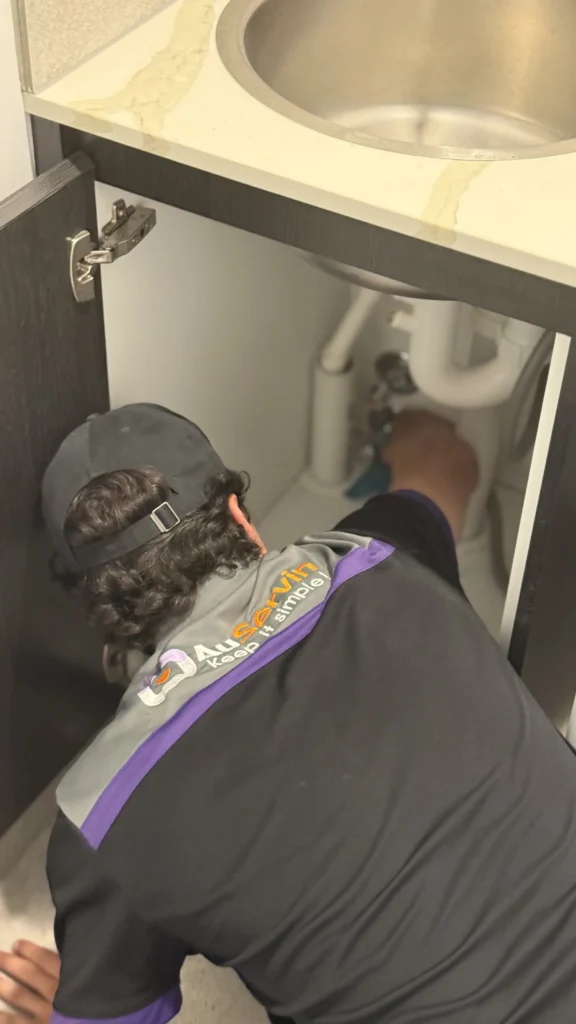
Tell your removalist which appliances are coming
When you request your quote, include your large appliances and anything unusual, such as a double-door fridge, a chest freezer or a second fridge in the garage. Mention stairs, narrow doorways or tight laundry spaces too.
That information helps the crew bring the right equipment and plan how to move each appliance safely. At AuServin, we use trolleys, furniture blankets and careful handling to protect appliances and the surfaces around them. If you’re not sure what to ask, our list of questions to ask a removalist is a useful starting point.
After the move
Once your appliances are in the new home, give them a little time before switching everything on:
- Many manufacturers recommend letting a fridge stand upright for a period before turning it on. Check your manual for the right time.
- Remove any transit bolts before the first wash, and check hoses for leaks.
- Have gas and hardwired appliances reconnected by a licensed tradesperson.
A little preparation goes a long way
Defrosted, drained and dry appliances are faster and safer to move. Start with the fridge, book any trades early and let your removalist know what’s coming.
If you’d like the heavy lifting handled for you, see how our AuMovin removal services